


We call our mum’s mother Mamani. She is the strongest woman I know. She lost two children: one boy, when he was ten, in an accident, and a newborn girl to measles. More than fifty-six years later, whenever she remembers them, she places one hand over the other, shakes her head with the deepest sadness in the world, and says: My sun, my little boy. My infant girl. How can I explain how hard it was—and still is?
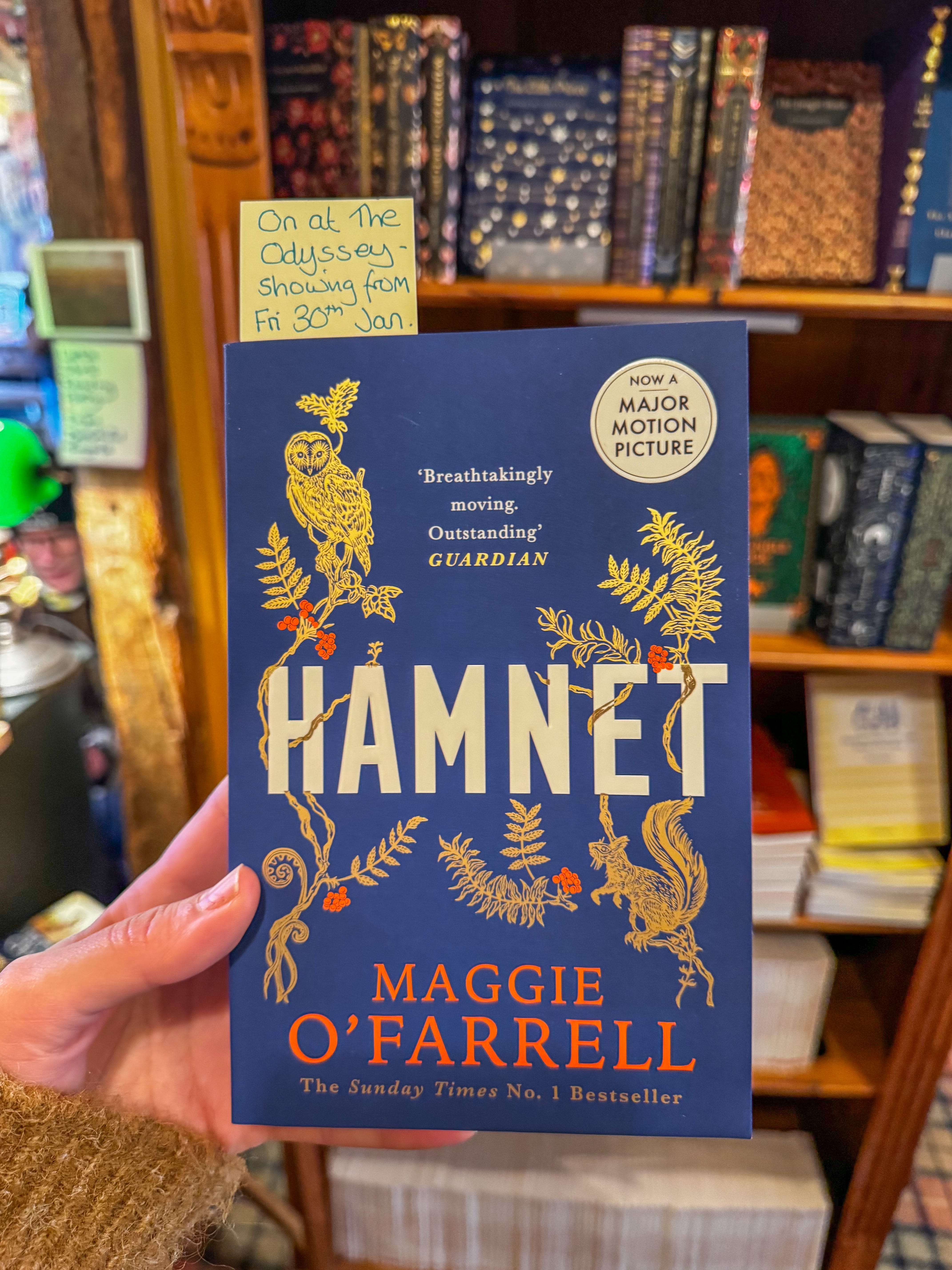
I already knew the story of Hamnet before reading the book: the story of Shakespeare’s dead son and the immeasurable grief of his mother, Agnes. I’m usually suspicious of books that go viral—call me pessimistic, but as a marketing person, I know how often hype replaces substance. Still, because I love Shakespeare, I grew curious. I read the Kindle sample, and before I even realised it was over, I had bought the book.
I loved it.
I couldn’t believe how similar human beings are in pain, love, and grief—across centuries, borders, and languages.
Maggie O’Farrell is a remarkable storyteller. She understands the human spirit and goes deep into the souls of her characters, as if she has lived their lives herself. Her imagination, intertwined with tenderness and love, is truly extraordinary.
In the saddest days of my life—when my country is soaked in blood—Hamnet became my only escape. When I was numb, unable to hear from my family, overwhelmed by stress and horrifying news, unable even to cry, Agnes’s grief broke something open in me. While watching videos and images of Iranian mothers searching for their dead children in morgues, I found myself sobbing uncontrollably. Is there any pain greater than losing one’s child?
She, like all mothers, constantly casts out her thoughts, like fishing lines, towards her children… And Hamnet? And Hamnet? Where is he?
At the same time, as O’Farrell walks us through Agnes’s sacrifices, she never forces us to hate Shakespeare for leaving— for pursuing his dreams in London while his family suffered in Stratford. Instead, she allows us to see his survival guilt. I feel his pain deeply now, because I live it myself. Not only today, but from the moment I left my family and moved to London. I understand William’s battle: the breathlessness of staying, the knowledge that leaving is the only way to survive—even when you know your loved ones are struggling without you. You leave, you breathe, you start a new life, but you remain half-dead inside, because the pain never truly leaves.
Hamnet on Screen
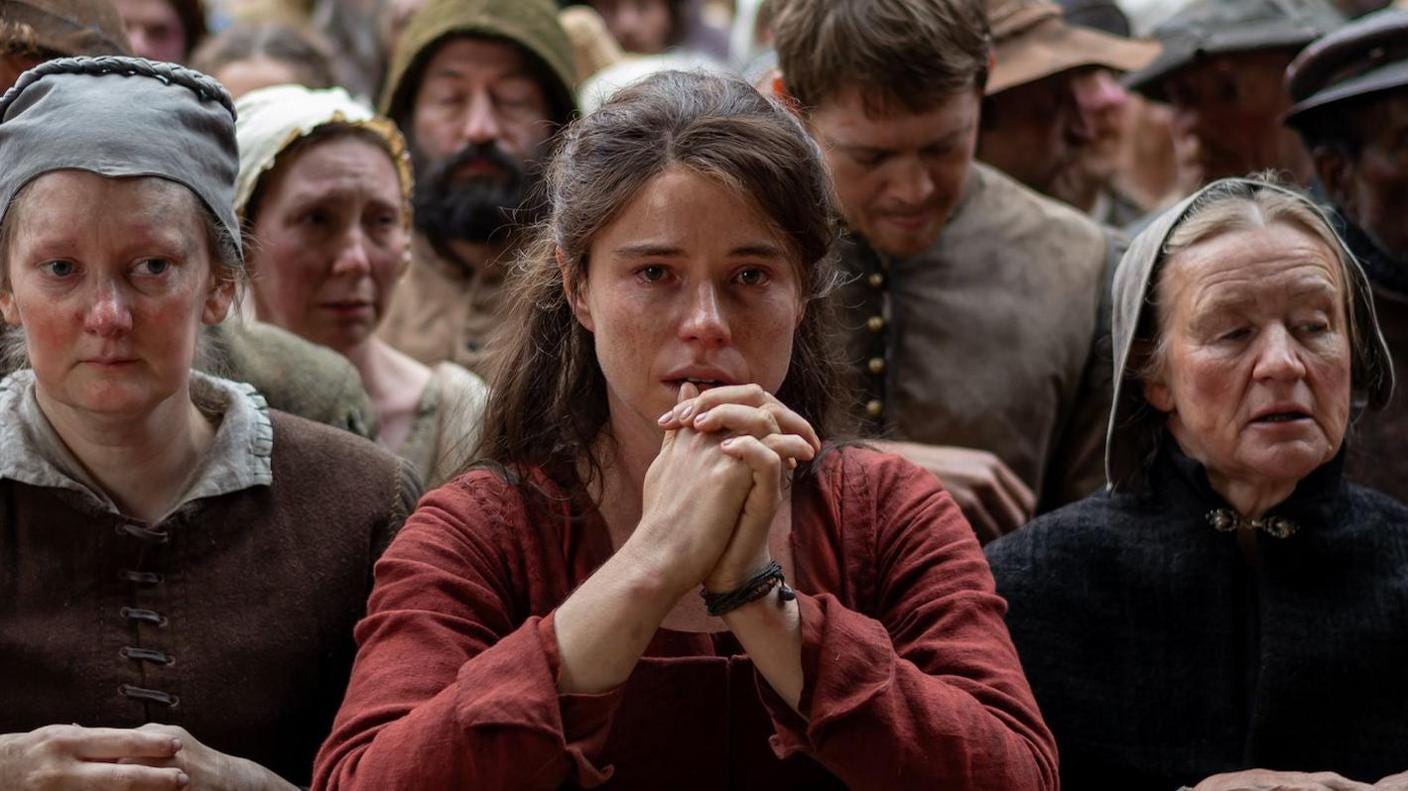
I watched Hamnet yesterday, and I was completely moved. Jessie Buckley is extraordinary. I can only say: wow. I had listened to the audiobook in her voice, and for me, Hamnet is Jessie. She is unforgettable. The film was beautiful. Everything was done with such care and sensitivity. I sobbed throughout, and when I came out of the cinema, I needed time to return to life.
For once, I can honestly say: read the book first, then watch the film—and you won’t be disappointed. This adaptation honours the novel. Well done to everyone involved.
As always, literature and art remain my only shelters. I am deeply grateful to Maggie O’Farrell for writing this book; it helped me endure these days and kept me from losing my mind.
Read this beautiful book. Watch the film.
And don’t forget a box of tissues.
Thanks for reading☺️ If you liked this review, press ❤️ and share it with your friends!
Brilliant article 👏